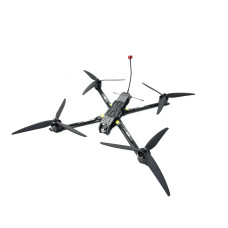
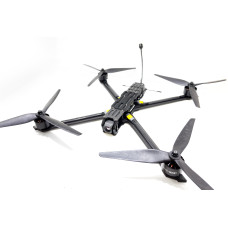
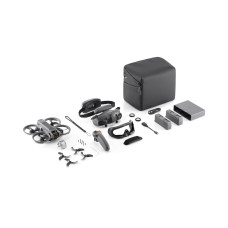
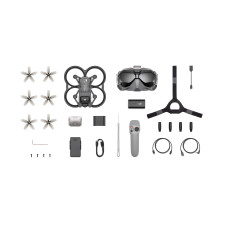
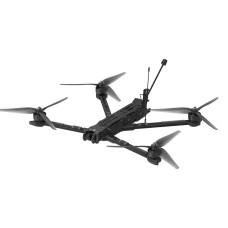
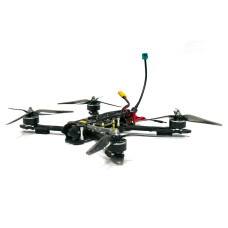
FPV quadcopters
FPV Quadcopters
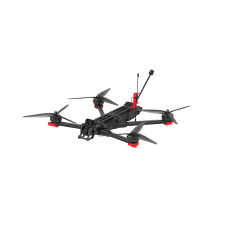
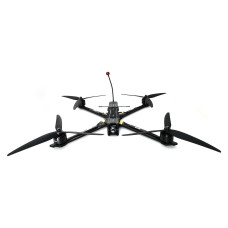
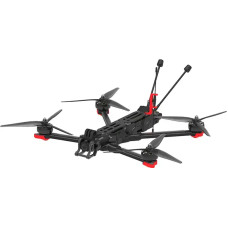
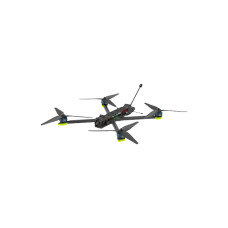
FPV (First Person View) quadcopters are unmanned aerial vehicles specially designed to be controlled using a video signal transmitted from a camera installed on board and viewed by the operator through special video glasses or a screen. This technology allows pilots to have the feeling of flying as if they were in the cockpit of the quadcopter.
Here are the main characteristics and features of FPV quadcopters:
- FPV Camera: The main component of an FPV quadcopter is the camera, which transmits the video signal to a special video transmitter on board. FPV cameras usually have a wide viewing angle and high resolution to provide the best visual experience while flying.
- Video Transmitter: The video signal from the camera is transmitted to the video transmitter, which in turn transmits it to the receiver located on board the pilot's video glasses or screen. This provides the operator with a real-time display of what the camera on board the quadcopter sees.
- Video glasses or screen: The operator uses special video glasses (FPV glasses) or a screen to view the video feed from the camera and control the flight. FPV goggles immerse the user in a virtual flight environment, making the experience more immersive and intuitive.
- Real-Time Feedback: FPV quadcopters provide the ability to fly distances and control them with precision using real-time feedback, making them popular among racers and pilots, as well as people interested in aerial photography and entertainment.
- FPV Racing: One of the most popular uses of FPV quadcopters is racing. Competitions are held on special tracks, and participants compete in the maneuverability and speed of their quadcopters.
- Aerial Photography: FPV quadcopters are also widely used to create unique videos and photographs from an aerial perspective, making them popular among photographers and videographers.
- DIY and FPV Racing: Many enthusiasts build their own FPV quadcopters, customizing them to suit their needs and preferences. FPV racing and building your own quadcopters have become popular hobbies in the FPV community.
FPV quadcopters provide a unique flight experience and open up a wide range of possibilities, ranging from entertainment and racing to industrial and commercial applications in the fields of aerial photography, search and rescue, and exploration.
Differences between FPV quadcopters
There are many different FPV quadcopters that can be classified depending on their size, design, purpose of use and specifications. Here are some main categories of FPV quadcopters:
- Racing Drones: These quadcopters are specially designed for FPV racing competitions. They usually have a compact design, high speed and maneuverability. Racers often customize and build their racing quadcopters to achieve maximum performance.
- Frames and DIY (Do-It-Yourself) Quadcopters: Many FPV enthusiasts build their own quadcopters, choosing frames, motors, flight controllers and other components to customize the craft to their needs and preferences. This allows them to create unique and high-performance quadcopters.
- Camera Carriers (CineWhoops): These quadcopters are usually compact and lightweight, allowing them to capture videos and photos in hard-to-reach places. They are often used for aerial photography and creating high-quality videos.
- Long Range FPV Drones: Long Range FPV Drones are designed for long range flights. They typically have an optimized battery and transmitter, allowing pilots to cover large areas and survey long distances.
- FPV Hexacopters and Octocopters: Some FPV quadcopters have more motors than standard quadcopters, such as hexacopters and octocopters. This increases their load-bearing capacity and stability, making them suitable for certain commercial and professional applications such as aerial photography or trucking.
- Toy FPV Drones: There are also inexpensive FPV drones designed for beginners and children. They usually have limited features and functionality, but allow you to get started with FPV technology without making a big investment.
- Industrial and Commercial FPV Drones: These quadcopters are being developed for various purposes such as aerial photography, monitoring, agronomy, search and rescue, infrastructure monitoring and even cargo delivery. They may have specialized sensors and functions to perform specific tasks.
Each of these categories has its own unique characteristics and applications, and the choice of FPV quadcopter depends on the goals and needs of the pilot or organization.
What are the types of FPV quadcopters?
FPV quadcopters come in a variety of sizes, and size is an important characteristic that determines their performance, stability, and capabilities. Here are some of the typical sizes of FPV quadcopters:
-
Mini: Mini FPV quadcopters usually have a frame diagonal of 100 to 250 mm. They are compact, lightweight and maneuverable, making them an excellent choice for racing and maneuverable flights. These quadcopters can be very fast and maneuverable, but their carrying capacity is limited.
-
Medium Size: Medium FPV quadcopters have a frame diagonal usually from 250 to 450 mm. They provide a good balance between maneuverability and payload capacity, making them suitable for both racing and aerial photography. They can also be used as learning platforms for beginners.
-
Large Size: Large FPV quadcopters have a frame diagonal usually over 450 mm. They are designed to perform more serious tasks, such as aerial photography from above, exploration and cargo transportation. These quadcopters are usually more stable and can carry heavier cameras and equipment.
-
Micro: Micro FPV quadcopters usually have a frame diagonal of less than 100mm. They are very small and lightweight, making them a great choice for flying indoors or in confined spaces. They can be used for educational purposes and entertainment.
Choosing the size of an FPV quadcopter depends on the specific missions you want to perform and your preferences for stability, speed, and payload capacity. Mini and medium-sized quadcopters are often chosen for racing and freestyle, while large quadcopters are most suitable for professional aerial photography and commercial purposes.