Generators
Generators are devices that convert mechanical energy into electrical energy. They play an important role in the production of electricity, especially in situations where there is no access to the electrical grid or when a backup power source is required in case of emergencies or accidents.
Generators can be of various types, depending on the method of operation and the source of mechanical energy:
- Diesel Generators: These are the most common type of generators. They run on diesel fuel, where an internal combustion engine drives a generator that produces electricity.
- Gasoline generators: They work similar to diesel generators, but use gasoline instead of diesel fuel.
- Gas generators: Use gas (usually natural gas or propane-butane) as fuel to run the engine.
- Turbine Generators: These are generators powered by steam, gas or water that drive a turbine connected to the generator.
- Wind turbines: Convert the kinetic energy of the wind into electrical energy using rotating blades.
- Hydroelectric Generators: Powered by water power, where the flow of water rotates a turbine connected to a generator.
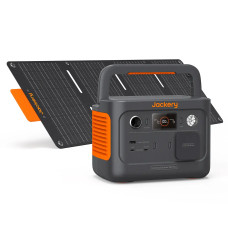
- Solar generators (photogenerators): Use solar panels to convert solar energy into electrical energy.
Generators can be used for various purposes such as:
- Electrical power generation in commercial, industrial and residential buildings, especially where access to the electrical grid is limited or non-existent.
- Providing electricity to construction sites, remote locations or temporary events.
- Providing a backup power source for emergency situations when the main power sources fail.
- Providing backup power for critical systems and devices in healthcare, telecommunications and other industries.
Selecting a specific type of generator depends on specific requirements, availability of fuel or power source, budget and application.